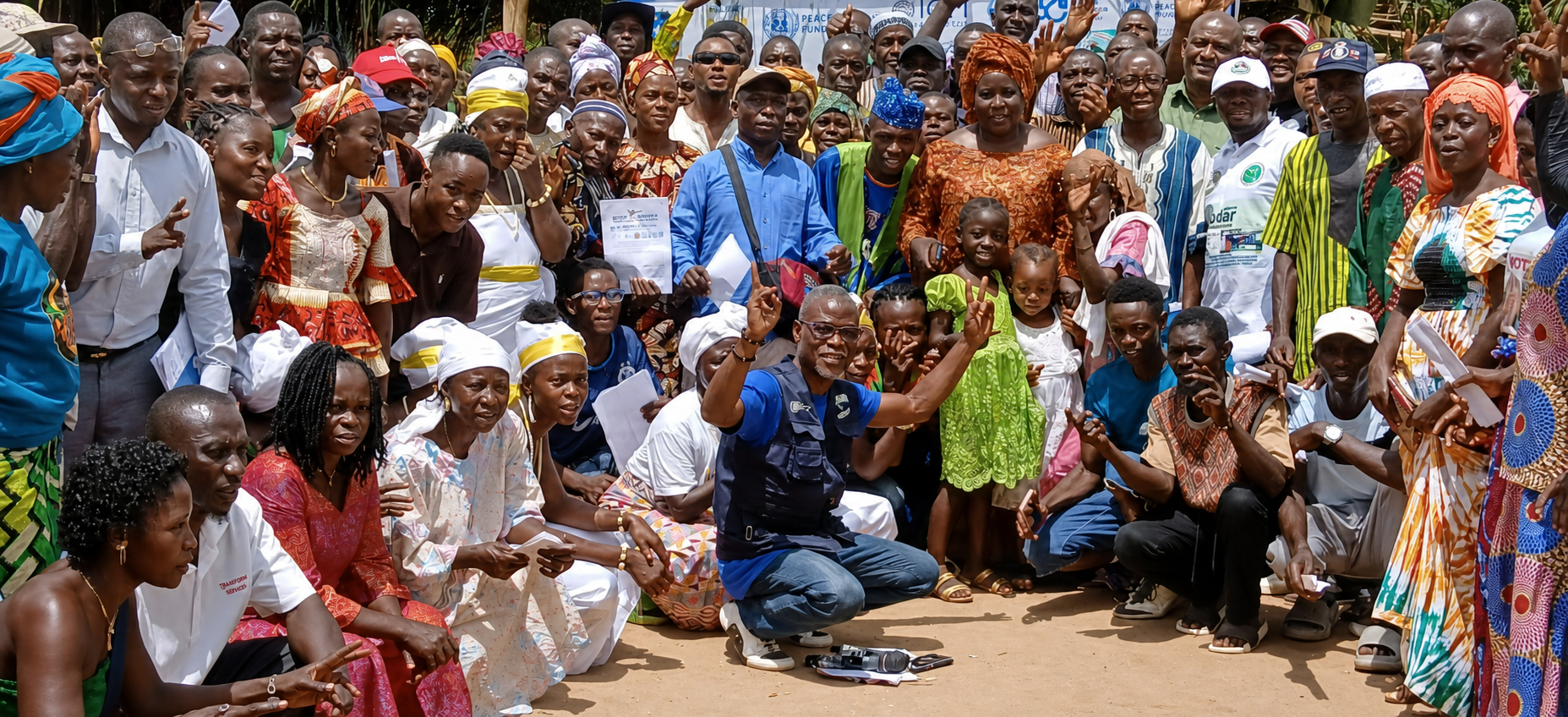
TDS Liberia supports communities to understand and participate in decisions concerning land, forests, water, minerals and other natural resources. Programs focus on the relationship between environmental change, livelihoods, local governance and conflict.

Radio programmes, documentaries, participatory theatre and community dialogues explain land rights, environmental rules, concession agreements and natural-resource governance in accessible language. Content helps residents understand which institutions hold responsibility, how decisions are made and where grievances can be reported.

Land disputes often involve competing customary claims, unclear boundaries, inheritance practices or pressure from commercial activities. TDS Liberia creates structured spaces where landowners, customary authorities, women, young people, local officials and other affected groups can examine these issues without escalating tensions. Communication activities support mediation and formal dispute-resolution processes but do not replace qualified legal or technical services.

Climate-related work connects public information with daily experience. Communities can discuss changing rainfall, flooding, soil loss, livelihood disruption and pressure on shared resources. Local knowledge gathered through interviews, listening groups and public forums can help implementing partners design responses suited to specific locations.

TDS Liberia gives deliberate attention to people whose interests are frequently excluded from land and resource decisions, including women, young people and persons with disabilities. Facilitators examine barriers to ownership, inheritance, consultation and benefit-sharing so participation is not limited to established leaders.

Community feedback also supports accountability. Residents can raise concerns about consultation, environmental damage, compensation, benefit-sharing and compliance with public commitments. TDS Liberia documents recurring issues and communicates verified findings to responsible authorities, civil-society partners and project implementers.

The purpose is to improve access to information, reduce preventable conflict and strengthen community participation in the management of land and natural resources. Programs connect environmental communication with public decision-making, livelihood protection and locally defined priorities.